Gravel Cycling in Morocco — The Complete Guide
Everything you need to know to ride gravel in Morocco: where to go, what to expect on the ground, and how to plan a trip that actually works. Written by the people who run these routes every season.
Why Morocco is a world-class gravel destination
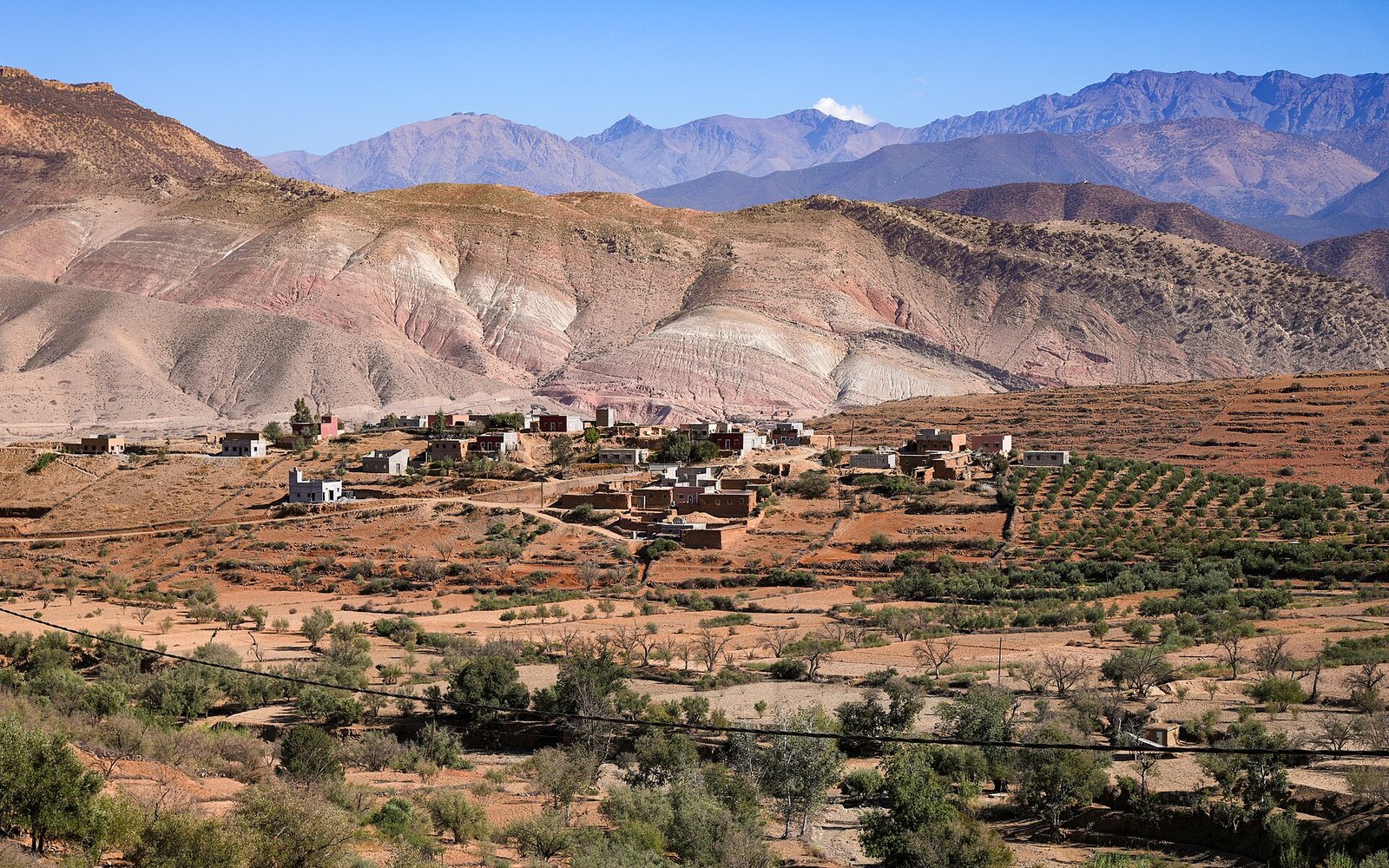
Morocco sits at a rare intersection: a mountain range over 4,000 m high, a real desert, and a network of unpaved pistes built for transhumance and trade that happen to be perfect for gravel bikes. The riding is varied — alpine passes, oasis valleys, coastal tracks — and the infrastructure (guesthouses, food, support) is good enough to run real expeditions without a tent.
The three core regions
The High Atlas for climbing and alpine gravel; the Anti-Atlas and pre-Sahara for remote, warm-season riding; and the Atlantic coast for cliff-top pistes. Most trips combine two of the three.
What the surface is actually like
Most “gravel” in Morocco is compacted earth piste — fast and rideable on 40c tyres. Sandy sections exist, especially approaching the desert, but are usually short and walkable. Singletrack is rare on our routes; we favour pistes.
Logistics and support
A support vehicle transforms a Moroccan gravel trip: it carries water, food and luggage, and means you’re never stranded. We run one on every multi-day tour. Independent bikepacking is possible but demands careful water planning.
Planning your first trip
Start with a 5-day Atlas tour if you’re unsure. If you want the full experience, the Atlas to Sahara Grand Tour is the one. Read our guides on the best time to ride and what bike to bring before you commit.